
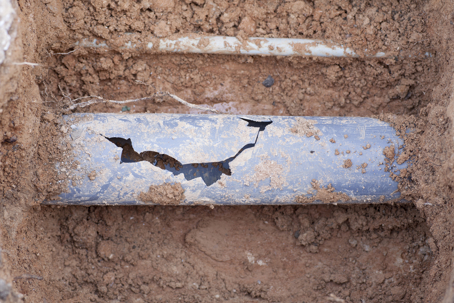
A sewer line is something most homeowners don’t think about—until there’s a problem. When drains start backing up, strange smells waft through the yard, or water pools where it shouldn’t, it’s time to take action. But should you repair your sewer line or replace it entirely? Let’s break it down so you can make the best decision for your home.
Signs Your Sewer Line Might Have a Problem
Sewer lines can deteriorate over time due to age, tree roots, ground shifting, or corrosion. Here are the key warning signs that your sewer line might be in trouble:
1. Frequent Drain Clogs or Slow Draining
If only one drain in your home is slow, you might just have a simple clog. However, if multiple drains are slow or frequently clogging, it’s a sign that something is blocking the main sewer line.
2. Sewage Backups
One of the most obvious signs of a sewer problem is sewage backing up into toilets, tubs, or sinks. If this happens, stop using water immediately and call a plumber—continuing to use water can make the problem worse.
3. Unpleasant Odors
A healthy sewer system should never emit bad smells. If you notice a persistent sewage odor inside or outside your home, there may be a break or blockage in the line.
4. Lush Patches of Grass or Sinkholes
If certain spots in your yard are greener than the rest, it could mean that wastewater is leaking underground and fertilizing the grass. In severe cases, leaks can erode soil, causing soft spots or even sinkholes.
5. Gurgling Noises from Drains
Hearing strange gurgling or bubbling sounds when you flush the toilet or run the sink? That could be a sign of a blocked or damaged sewer line struggling to move wastewater.
6. Water Pooling in the Yard
A broken sewer line can release water into the ground, leading to puddles in your yard. If these puddles appear even when it hasn’t rained, your sewer line might be to blame.
When Can Your Sewer Line Be Repaired?
Not every sewer issue requires a full replacement. Sometimes, a repair is enough to get things flowing smoothly again. Here are situations where a repair may be possible:
Minor Cracks or Small Root Intrusions
If roots have infiltrated your pipes but haven’t caused major damage, a plumber may be able to clear them out with hydro jetting and seal the cracks with trenchless lining.
Localized Damage
If only a small section of your pipe is cracked or deteriorating, a spot repair might be an option. This involves replacing just the damaged portion instead of the entire pipe.
Clogs and Buildup
If grease, debris, or mineral buildup is causing blockages, hydro jetting can clear the line without the need for pipe replacement.
When Does Your Sewer Line Need to Be Replaced?
Sometimes, repairs won’t cut it. If your sewer line is beyond fixing, a full replacement may be the best long-term solution. Here’s when it’s time to consider replacing your sewer line:
1. Extensive Corrosion or Aging Pipes
Older sewer pipes, especially those made of clay or cast iron, tend to corrode over time. If your pipes are decades old and showing signs of widespread damage, replacement is often the smarter choice.
2. Severe Tree Root Intrusion
If tree roots have invaded your pipes multiple times and caused significant damage, it may be best to replace the pipe with a modern material that resists root intrusion.
3. Multiple Collapses or Cracks
If a pipe has several weak spots or is beginning to collapse, replacing the entire line is often more cost-effective than repeatedly patching it.
4. Repeated Sewer Backups
If you keep experiencing sewer backups despite multiple repairs, it’s a sign that your pipe is no longer functioning properly and needs to be replaced.
Trenchless Sewer Line Repair vs. Traditional Replacement
When a sewer line needs to be replaced, homeowners often worry about their yard being torn up in the process. Luckily, trenchless sewer repair offers a less invasive solution.
What Is Trenchless Pipe Lining?
Trenchless pipe lining is a modern, no-dig repair method that inserts a flexible, resin-coated liner into the damaged pipe. The liner hardens, creating a new, seamless pipe within the old one.
Benefits of Trenchless Pipe Lining
Minimal Disruption – No need to dig up your yard, driveway, or landscaping.
Quick Completion – Repairs can often be done in just one day.
Durable Solution – The new pipe lining is resistant to cracks, corrosion, and tree root intrusion.
When Is Traditional Sewer Line Replacement Necessary?
While trenchless repair works in many situations, there are times when traditional replacement is the better option:
If the existing pipe is too damaged or collapsed to support a liner.
If the pipe has severe misalignment that can’t be corrected with trenchless methods.
If your pipes are extremely old and deteriorated beyond repair.
How to Determine If You Need a Repair or Replacement
If you’re experiencing sewer problems, here’s what to do next:
Schedule a Sewer Camera Inspection – A professional plumber can send a small camera into your sewer line to assess the extent of the damage.
Get a Professional Opinion – An experienced plumber will let you know whether a repair or replacement is your best option.
Consider Long-Term Costs – While a repair may be cheaper upfront, a full replacement could save you from ongoing maintenance and future issues.
Conclusion: When Is Sewer Line Replacement Necessary?
Dealing with sewer line issues is never fun, but catching problems early can save you from major headaches (and expenses). If you’re noticing slow drains, sewage backups, or foul smells, don’t wait—call a professional to inspect your sewer line.
Whether you need a simple repair, trenchless relining, or a full replacement, a professional plumber can help you find the best solution for your home. Need expert sewer line repair or replacement in Los Angeles? Contact Ford’s Plumbing and Heating today.