
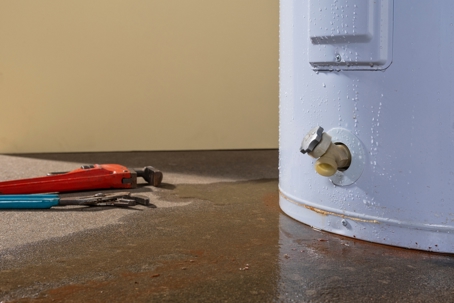
Water heaters are one of those appliances you don’t think about until something goes wrong. Then suddenly, you’re dealing with cold showers, leaks, or even major water damage. The good news? Most water heater failures can be prevented with regular care and maintenance.
In this guide, we’ll cover the 7 most common reasons why water heaters fail, and what you can do to avoid them.
1. Rust and Corrosion
Rust is one of the most common culprits behind water heater breakdowns. Inside every tank-style water heater is a component called the sacrificial anode rod. This rod is designed to corrode over time, protecting the steel tank from rusting.
Why This Causes Problems
Once the rod is completely corroded, the tank itself becomes vulnerable. Rust eats away at the metal, leading to leaks and eventual tank failure.
How to Avoid It
- Have the anode rod inspected every 1–2 years.
- Replace it every 3–5 years, or sooner if it’s worn.
- Consider upgrading to a powered anode rod for longer protection.
2. Incorrect Water Pressure
Water heaters aren’t built to withstand extremely high water pressure. If the pressure in your home is too high, it can strain the tank, pipes, and connected appliances.
Why This Causes Problems
Excessive pressure leads to leaks, damaged seals, and even tank rupture in extreme cases.
How to Avoid It
- Use a water pressure gauge to measure household pressure.
- Keep it below 80 psi (most homes run between 40–60 psi).
- Install a pressure-reducing valve (PRV) if needed.
- Check your water heater’s temperature and pressure relief (TPR) valve regularly to ensure it works properly.
3. Old Age
Just like any appliance, water heaters don’t last forever. The average lifespan of a tank-style water heater is 8–12 years, while tankless models may last 15–20 years with proper maintenance.
Why This Causes Problems
Older units are more prone to rust, leaks, and inefficiency.
How to Avoid It
- Pay attention to warning signs: inconsistent hot water, noises, or frequent repairs.
- Don’t wait for a catastrophic leak—plan for replacement once your unit approaches 10–12 years old.
- Consider upgrading to a tankless water heater for longer life and better efficiency.
4. Faulty Electrical Connections or Gas Supply Issues
Sometimes what looks like a failing water heater is really an electrical or gas problem.
Why This Causes Problems
- For electric heaters: blown fuses, tripped breakers, or damaged wiring can cut power.
- For gas heaters: a faulty pilot light, bad thermocouple, or lack of gas supply can prevent heating.
How to Avoid It
- Always rule out simple electrical or gas issues before assuming the heater is bad.
- Hire a licensed electrician or plumber to troubleshoot power or fuel problems safely.
5. Loose Parts
Over time, vibrations and usage can loosen nuts, bolts, and fittings inside your water heater.
Why This Causes Problems
Loose parts may lead to leaks around heating elements, gaskets, or other connections. Left unchecked, small drips can turn into major leaks.
How to Avoid It
- Inspect the unit regularly for dampness or small leaks.
- Tighten bolts and fittings carefully.
- Call a plumber if tightening doesn’t resolve the issue—there may be a deeper problem.
6. A Broken Thermostat
The thermostat is the control center of your water heater. If it fails, the unit won’t know when to heat water—or it may overheat it.
Why This Causes Problems
A broken thermostat leads to cold showers, dangerously hot water, or erratic temperature control.
How to Avoid It
- Test your thermostat periodically.
- Replace it at the first sign of trouble—it’s an inexpensive fix.
- Always hire a professional to handle electrical components safely.
7. Mineral Build-Up (Sediment Buildup)
Los Angeles, like many cities, has hard water—water that’s full of calcium and magnesium. Over time, these minerals settle at the bottom of the water heater tank.
Why This Causes Problems
- Sediment insulates the heating element from the water, forcing it to work harder.
- This leads to higher energy bills, overheating, and premature failure.
How to Avoid It
- Drain and flush your tank every 6–12 months to remove sediment.
- Install a whole-home water filtration or softening system to reduce mineral deposits.
- Listen for “popping” or “rumbling” sounds—signs of sediment buildup.
Should You Replace Your Water Heater Yourself?
While some tasks—like flushing sediment or checking your anode rod—are DIY-friendly, remember that water heaters are pressurized tanks of hot water. They can be dangerous if handled improperly.
The Best Way to Stay Safe
- Leave electrical, gas, and major repair work to licensed professionals.
- Don’t ignore warning signs like leaks, rust, or unusual noises.
- A quick service call can prevent thousands of dollars in water damage.
Your water heater is one of the hardest-working appliances in your home. With regular attention, you can extend its life, save money, and avoid the headache of cold showers and costly replacements.
FAQs About Water Heater Failure
How long does a typical water heater last?
Most tank-style water heaters last about 8–12 years, while tankless models can last 15–20 years with proper maintenance. Regular inspections and flushing extend lifespan.
What are the warning signs that my water heater is failing?
Common signs include inconsistent water temperature, rusty water, leaks, popping noises, or your unit reaching the 10+ year mark. These indicate it’s time for inspection or replacement.
Can sediment buildup ruin my water heater?
Yes. Sediment from hard water settles at the bottom of the tank, insulating the heating element and causing inefficiency, higher bills, and eventual breakdown. Flushing every 6–12 months prevents this.
Why is water pressure important for my water heater?
Excessive water pressure strains the tank, pipes, and seals. Ideally, household pressure should stay between 40–60 psi and never exceed 80 psi.
Can a faulty thermostat cause water heater problems?
Absolutely. A broken thermostat prevents proper temperature regulation, leading to no hot water or overheating. Replacing it is an inexpensive fix compared to replacing the entire unit.
Is it safe to repair a water heater myself?
Some tasks like flushing sediment are DIY-friendly, but electrical, gas, or major repairs should always be handled by a licensed plumber due to safety risks.
What’s the best way to prevent water heater failure?
Annual maintenance is key: flush the tank, check the anode rod, inspect valves, and schedule professional inspections. Preventive care saves money and extends your unit’s lifespan.
Contact Ford’s Plumbing to Replace Your Water Heater
If you need to have your water heater inspected, or it needs to be replaced, call the professional plumbers at Ford’s. It’s the safest way to ensure your system stays reliable, efficient, and safe.