
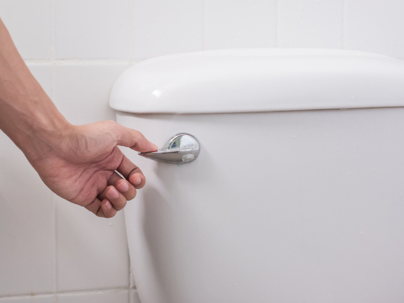
Do you have a weak or slow flushing toilet? A weak flushing toilet can be frustrating and inconvenient. If you’re tired of double-flushing or dealing with a toilet that barely gets the job done, we’ve put together the common reasons for a weak flushing toilet and provided you with practical solutions to fix it.
1. Parts of a Toilet
Before troubleshooting, we must understand the basic components of a toilet and how they work together to create a flush:
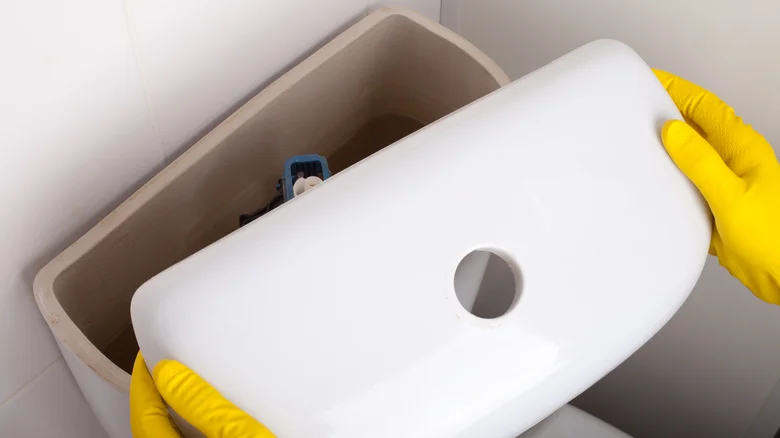
Tank:
The tank holds water and is typically located at the back of the toilet. It is connected to the bowl by a flush valve.
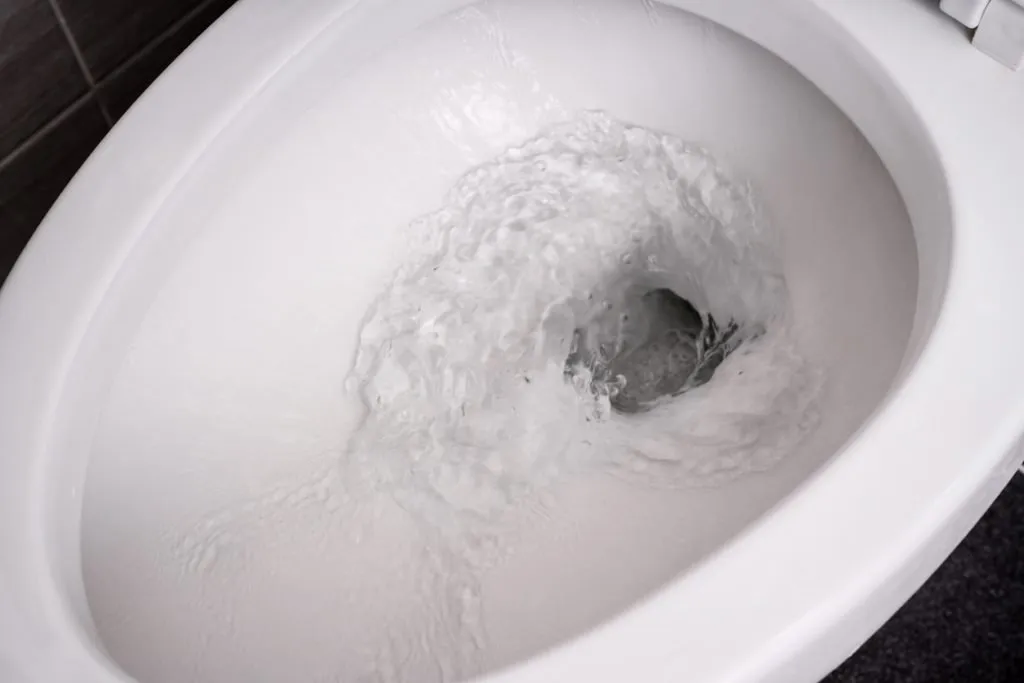
Bowl:
The bowl is the part of the toilet that holds the water and waste. When you flush, water from the tank is released into the bowl, creating a siphon effect that carries waste away.
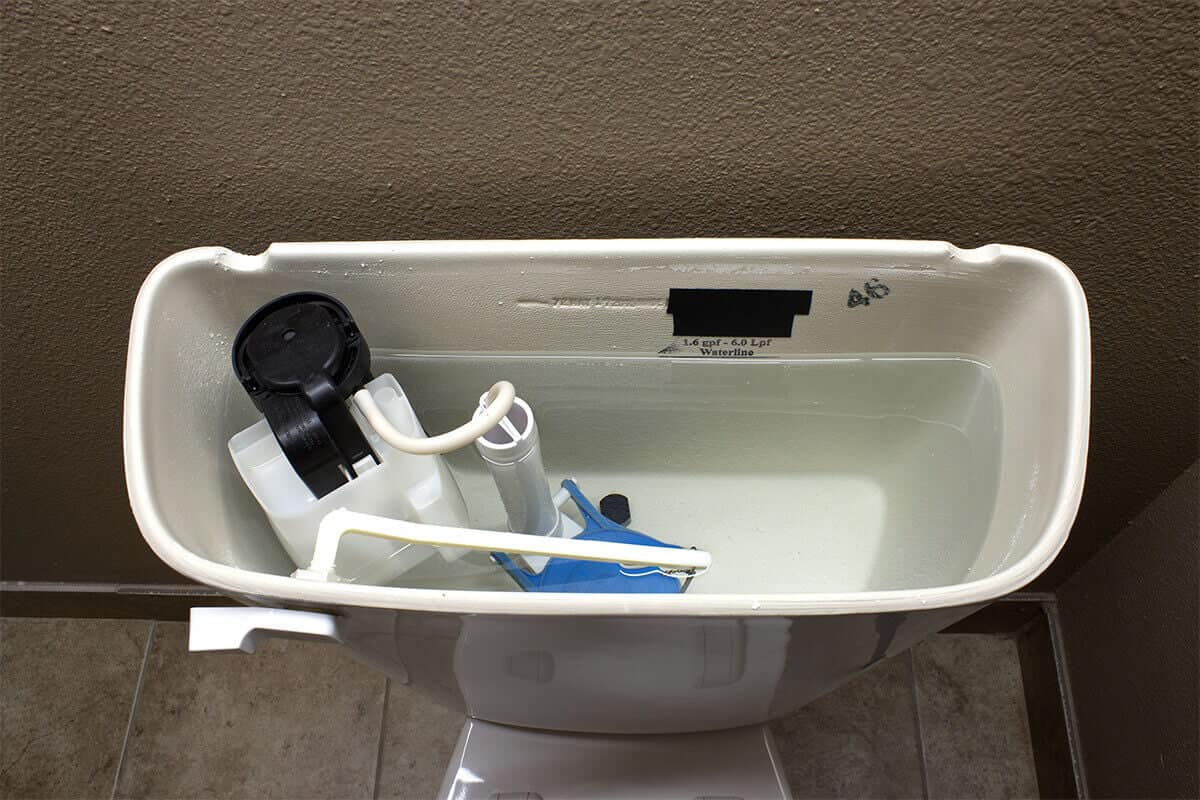
Flush Valve:
The flush valve is a mechanism that controls the release of water from the tank into the bowl. It includes a flapper or a canister.
Trapway:
The trapway is a curved channel that connects the bowl to the drain pipe. It allows waste to exit the toilet and go into the drain.
2. Common Reasons for Weak Flushing
There are several common reasons your toilet won’t flush all the way:
Clogged Toilet:
The most apparent reason for a weak flush is a clog in the trapway. This blockage can be caused by excessive toilet paper, sanitary products, or other foreign objects.
Low Water Level:
If there isn’t enough water in the tank, it can result in a weak flush. This could be due to a malfunctioning fill valve or an improper tank water level adjustment.
Faulty Flapper or Canister:
The flapper or canister in the flush valve may not open fully or seal properly, leading to a weak flush. This can be caused by wear and tear or misalignment.
Mineral Buildup:
Over time, mineral deposits can accumulate in the flush holes, preventing water from flowing into the bowl effectively.
Blocked Vent Pipe:
A blocked vent pipe can create a vacuum inside the drain system, restricting water flow and causing a weak flush.
3. Troubleshooting Your Toilet and Solutions
Let’s look at various troubleshooting steps and solutions to address your toilet’s weak flush:
A. Clearing Clogs:
- Use a Plunger: If you suspect a clog, start by using a plunger. Place the plunger over the drain hole and push down firmly, then pull up quickly. Repeat this motion several times to create suction. If the clog is dislodged, the toilet should flush properly.
- Toilet Auger: If the plunger doesn’t work, a toilet auger can be used to reach and clear clogs deeper in the trapway.
B. Adjusting Water Level:
- Check the Water Level: Remove the tank lid and check the water level. It should be approximately 1 inch below the top of the overflow tube. If it’s too low, adjust the fill valve to increase the water level.
- Adjust the Float: Some toilets have a float that can be adjusted to control the water level. Check the manufacturer’s instructions for your specific toilet model.
C. Flapper or Canister Inspection:
- Check for Damage: Inspect the flapper or canister for damage or wear. If it’s damaged or worn, replace it with a new one compatible with your toilet model.
- Ensure Proper Seal: The flapper or canister should create a proper seal when closed. If it doesn’t, adjust the chain or rod as needed to ensure a good seal.
D. Removing Mineral Buildup:
- Shut Off Water Supply: Turn off the water supply to the toilet using the shut-off valve located near the floor or on the wall.
- Empty the Tank: Flush the toilet to empty the tank, and then use a sponge or cloth to remove any remaining water.
- Clean the Flush Holes: Use a small mirror to locate the flush holes around the inside rim of the bowl. Gently clean them with a curved bottle brush or a piece of flexible wire.
E. Vent Pipe Inspection:
- Check for Obstructions: Ensure there are no obstructions in the vent pipe, which is typically located on the roof of your house. If you’re not comfortable doing this yourself, contact Ford's Plumbing & Heating to inspect and clear the vent pipe if necessary.
4. Professional Plumber
If you’ve tried the troubleshooting steps and your toilet still has a weak flush, it may be time to seek professional assistance. Ford's Plumbing & Heating can diagnose and fix more complex issues, such as a blocked vent pipe or internal plumbing problems.
5. Upgrading Your Toilet
If your toilet is old and continues to have flushing problems, you might consider upgrading to a newer, more efficient model. Modern toilets are designed to be more water-efficient, which can lead to better flushing performance while saving water. Look for toilets with a WaterSense label to ensure they meet high-efficiency standards.
6. Preventive Maintenance
To avoid future weak flushes and reduce the chances of clogs, consider implementing these preventive maintenance measures:
- Use less toilet paper to prevent excessive buildup in the trapway
- Avoid flushing non-flushable items down the toilet
- Regularly inspect and clean the flush holes in the bowl to prevent mineral buildup
- Conduct routine maintenance checks on the fill valve, flapper or canister, and flush valve
FAQs: Weak Flushing Toilet
Why is my toilet flushing so weak?
A weak flush is often caused by low tank water levels, clogged trapways, mineral buildup, or a faulty flapper. Identifying the exact cause helps you apply the right fix.
How can I make my toilet flush stronger?
You can improve flushing power by adjusting the water level in the tank, cleaning the rim jets, replacing a worn flapper, or clearing minor clogs in the trapway.
What causes low water levels in a toilet tank?
A malfunctioning fill valve or improperly adjusted float can prevent the tank from filling properly. Adjusting or replacing these parts usually restores full water pressure.
Can hard water cause weak flushing?
Yes. Hard water leaves mineral deposits that clog the small holes around the rim of your toilet bowl, restricting water flow and reducing flushing power over time.
Why does my toilet flush weakly even after plunging?
If plunging doesn’t fix the problem, you may have a deeper clog in the trapway, a blocked vent pipe, or an internal issue requiring a professional plumber.
Should I replace my toilet if it always flushes weakly?
If your toilet is old, inefficient, or frequently clogs, replacing it with a modern, high-efficiency model can improve flushing performance and save water long-term.
When should I call a professional plumber?
If basic fixes don’t work, or if you notice leaks, recurring clogs, or water running continuously, it’s best to contact Ford's Plumbing & Heating for expert service.
Contact Ford's Plumbing & Heating When Your Toilet Isn’t Flushing Properly
A weak flushing toilet can be annoying, but with the right knowledge and troubleshooting steps, you can often address the issue yourself. Remember to start with simple solutions, like clearing clogs and adjusting water levels, and progress to more complex troubleshooting if necessary.
If your toilet barely flushes, don’t hesitate to call Ford's Plumbing & Heating for professional assistance.