
When water starts pouring from somewhere it shouldn’t—whether it’s a burst pipe, a leaky appliance, or an overflowing toilet—every second counts. Knowing how to shut off your home’s water quickly can mean the difference between a minor fix and a flooded nightmare.
If you live in Los Angeles, it’s especially important to be prepared. With our mix of older homes, aging infrastructure, and the ever-present threat of earthquakes, having a handle on your emergency shut-off can save you stress and money. Here’s everything you need to know.
Why You Might Need to Shut Off Your Water in a Hurry
Plumbing emergencies are unpredictable. One day your pipes are fine, and the next, a fitting fails or a pipe bursts while you’re out running errands. Situations like these aren’t just inconvenient—they can cause serious water damage in minutes.
Common Emergencies That Require a Water Shut-Off:
- A burst pipe behind a wall or under a sink
- A cracked water heater tank or pipe
- An overflowing washing machine or dishwasher
- Toilet overflow that won’t stop
- Earthquake-related damage to your plumbing
- Leaking supply lines to sinks or refrigerators
If you notice water where it shouldn’t be, your first move—before reaching for towels—is to turn off the water.
How to Find Your Main Water Shut-Off Valve
The first step in stopping the water is knowing where your main shut-off valve is. For many homeowners in Los Angeles, this valve is surprisingly easy to overlook—especially if you’ve never had to use it before.
Here’s where it’s usually located:
Outside Your Home (Most Common in LA)
In many Los Angeles homes, especially older ones, the main shut-off is located on the outside wall facing the street. Look near the front hose bib (where you connect your garden hose), or along the foundation where the main water line enters your house.
Inside the Garage or Utility Room (Newer Construction)
In more recently built homes or remodels, the shut-off may be located inside the garage or a utility room. Look along the wall closest to where your water meter is located outside.
At the Water Meter Box Near the Curb
As a last resort, you can shut off the water at the city meter. This is located in a concrete or metal box near the curb. You’ll need a water meter key (available at hardware stores) to open it and turn the valve.
How to Turn Off the Water
Once you’ve found the valve, it’s time to shut things down.
Types of Shut-Off Valves:
1. Gate Valve (Older Homes)
- Looks like a round wheel.
- Turn it clockwise (righty-tighty) several times until it stops.
- These valves can get stuck if not used regularly—be prepared to apply a little muscle.
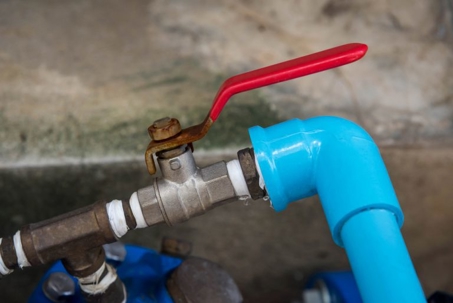
2. Ball Valve (Newer Homes)
- Has a straight handle.
- Turn the handle so it’s perpendicular (across) the pipe. That means it’s “off.”
- Much easier to operate and quicker to shut off in an emergency.
If your shut-off valve is stuck, corroded, or difficult to reach, it’s a good idea to have a plumber upgrade it to a modern ball valve.
Turning Off Water to Individual Fixtures
In some situations, you don’t need to shut off water to the whole house—just to the part that’s causing trouble. This is often a better solution when the issue is isolated to one sink, toilet, or appliance.
Toilets:
- Look behind the toilet near the floor.
- You’ll see a small valve—turn it clockwise to shut off the water.
Under-Sink Shut-Offs:
- Typically found inside the cabinet under kitchen and bathroom sinks.
- There are usually two valves—one for hot, one for cold.
Washing Machines:
- Shut-off valves are located behind the unit.
- These can be difficult to access quickly, so know where they are in advance.
Water Heaters:
- The cold water shut-off is located above the unit.
- Turn the valve clockwise to stop water from entering the tank.
If you’re not sure where these shut-offs are located, take a few minutes to find them now—it’ll save you a ton of time later if something goes wrong.
Tips for Los Angeles Homeowners
Living in L.A. has its perks, but it also brings unique plumbing considerations.
Earthquake Preparedness
- Earthquakes can damage both gas and water lines. Knowing where your shut-offs are is essential in case of seismic activity.
- Consider having an automatic water shut-off valve installed, which can detect vibrations and shut off your water if a quake hits.
Older Plumbing
- Many LA homes were built in the 1940s–1960s and have original plumbing.
- Old galvanized or corroded pipes are more likely to burst.
- Old gate valves can stick or break—if yours is hard to turn, it might be time for an upgrade.
After You Shut Off the Water
Once the water is off, you’re not quite done. Here’s what to do next:
Drain the Pipes
- Turn on the lowest faucet in your home (often an outdoor hose bib or basement faucet) to relieve pressure and empty the water left in the lines.
Call a Professional Plumber
- If you don’t know the source of the leak, or if you’re unsure how to fix it, call in the pros.
- Plumbers can help with everything from burst pipe repairs to valve replacements and even water damage cleanup referrals.
Clean Up Water Quickly
- If water has spread inside your home, start drying and cleaning right away to prevent mold or further damage.
- Use towels, fans, and dehumidifiers if available.
Upgrade Your Shut-Off Setup
If your main shut-off valve is buried behind boxes in the garage or hidden under bushes outside, it might be time for an upgrade.
Benefits of Installing a More Accessible Shut-Off:
- Easier to reach in an emergency
- Faster response time (especially for elderly homeowners)
- Less potential damage
- Peace of mind
You might also consider installing a **smart water shut-off device**, which can detect leaks and allow you to control your water system remotely via an app.
Conclusion: Don’t Wait for an Emergency
Knowing where your emergency water shut-off valve is—and how to use it—is one of the most important things you can do as a homeowner. It’s simple, free, and could save you thousands of dollars in damage.
Take five minutes today to:
- Locate your shut-off valve
- Make sure it turns easily
- Label it clearly
- Show everyone in your household how it works
Need help installing a new shut-off valve or upgrading to a smart system? Reach out to Ford’s Plumbing and Heating in Los Angeles and get ahead of the next plumbing emergency.