
When it comes to home maintenance, there’s a lot of advice floating around—some helpful, some outdated, and some flat-out wrong. Water heaters are no exception. Many Los Angeles homeowners think they’re taking great care of their water heater, but in reality, some common myths can shorten its lifespan, increase your energy bills, or even lead to a premature breakdown.
Let’s bust some of the biggest water heater maintenance myths and share what you should be doing instead. Plus, we’ll look at why an upgrade to a tankless water heater might save you headaches down the line.
Myth #1: Water Heaters Don’t Need Maintenance
Many homeowners assume that once a water heater is installed, it can be ignored until it breaks. Unfortunately, this “set it and forget it” approach is one of the fastest ways to end up with cold showers and an emergency plumber bill.
The Truth:
Tank water heaters require regular upkeep to perform their best. Sediment from Los Angeles’ hard water builds up at the bottom of the tank, forcing your heater to work harder and raising your gas or electric bill. Left unchecked, this buildup can damage the tank and shorten its lifespan.
What to Do Instead:
- Flush your tank every 6–12 months to remove sediment.
- Have a plumber inspect the anode rod every couple of years to prevent rust.
- Consider a whole-house water filtration or softening system to reduce mineral buildup.
Myth #2: Turning the Temperature Up Will Get More Hot Water
When hot water runs out faster than you’d like, it’s tempting to crank up the thermostat. Some homeowners even set it to 140°F thinking they’ll “get more” hot water.
The Truth:
Raising the temperature doesn’t actually increase your tank’s capacity. It just makes the water hotter. This can cause scalding risks, waste energy, and stress your system.
What to Do Instead:
- Keep your water heater set to 120°F for safety and efficiency.
- If you frequently run out of hot water, your household demand may be too high for your current tank size. Consider upgrading to a tankless water heater that provides endless hot water on demand.
Myth #3: Tankless Water Heaters Don’t Need Maintenance
Tankless water heaters are marketed as “low maintenance,” which is true—but not the same as “no maintenance.”
The Truth:
Tankless systems can still develop scale buildup, especially in hard-water areas like Los Angeles. Over time, this mineral buildup can reduce efficiency, increase energy bills, and shorten the unit’s life.
What to Do Instead:
- Have your tankless system descaled annually by a plumber.
- Consider adding a pre-filter or water softener to extend its lifespan and improve performance.
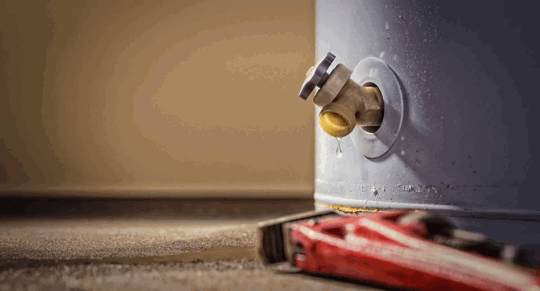
Myth #4: A Leaky Water Heater Is No Big Deal
Some homeowners see a small puddle under their water heater and think, “I’ll just mop it up.” This can cause big problems.
The Truth:
Even a small leak can mean your tank is corroding from the inside. Once a tank starts leaking, it usually needs to be replaced. Patch jobs are temporary at best.
What to Do Instead:
- Call a plumber immediately if you notice a leak.
- Catching it early could prevent a full rupture and thousands of dollars in water damage.
- If your tank is over 8–10 years old, this might be the perfect time to upgrade to a tankless model and avoid future tank leaks entirely.
Myth #5: Tankless Water Heaters Are Too Expensive
Some homeowners hesitate to upgrade because they’ve heard tankless water heaters cost more than tank models. While the initial investment is higher, that’s only part of the story.
The Truth:
Tankless water heaters save money over time thanks to better efficiency, lower energy bills, and longer lifespan (up to 20+ years with proper care). They also eliminate the risk of tank leaks and free up valuable space in your home.
What to Do Instead:
- Calculate the lifetime cost, not just the upfront price.
- Take advantage of federal tax credits and SoCalGas rebates, which can offset installation costs.
- Consider it an investment in convenience, efficiency, and peace of mind.
Myth #6: DIY Repairs Are a Good Way to Save Money
YouTube makes it look easy—why not just fix the water heater yourself?
The Truth:
While minor tasks like flushing the tank are DIY-friendly, anything involving gas lines, electrical components, or internal repairs can be dangerous and may void your warranty.
What to Do Instead:
- Leave thermostat replacement, gas line work, and major repairs to licensed professionals.
- Schedule annual plumbing inspections to catch problems early before they become emergencies.
Myth #7: You Should Wait Until It Breaks to Replace It
A lot of homeowners hold onto an old water heater until it completely stops working or starts leaking. This approach often leads to rushed decisions and emergency replacement costs.
The Truth:
Planning ahead allows you to choose the best system for your needs, compare energy-efficient models, and budget for the upgrade.
What to Do Instead:
- Replace your water heater proactively when it’s 8–12 years old.
- Upgrade to tankless before your tank fails to avoid downtime, leaks, and last-minute decisions.
The Bottom Line: Smart Maintenance Pays Off
Your water heater is one of the hardest-working appliances in your home. Whether you have a traditional tank or a tankless system, regular maintenance keeps it running efficiently, saves money on utilities, and prevents emergency breakdowns.
If your current system is old, inefficient, or frequently breaking down, it might be time to stop sinking money into repairs and upgrade to a tankless water heater. You’ll enjoy endless hot water, save space, and take advantage of available rebates and tax credits to lower the cost.