
What Is Hydro Jetting?
Hydro jetting is a professional drain cleaning method that uses extremely high-pressure water to blast away buildup inside your sewer line. Unlike snaking, which punches a hole through a clog, hydro jetting actually cleans the entire inner surface of the pipe.
Hydro jetting can remove:
- Grease
- Tree roots
- Scale and mineral deposits
- Hair and sludge buildup
- Food waste
- Years of compacted debris
Signs You Might Need Hydro Jetting
If you’re experiencing any of these issues, your sewer line might need a hydro jetting service:
- Slow drains all over the house
- Recurring clogs that keep coming back
- Gurgling sounds from drains or toilets
- Sewer smells around the home or yard
- Water backing up into tubs or floor drains
- Older homes with decades of buildup
- Tree-heavy neighborhoods
If multiple drains are acting up at once, the problem is almost always in the main sewer line, making hydro jetting a great next step.
Step-by-Step: What Happens During a Hydro Jetting Service
Let’s walk through what your plumber actually does during a hydro jetting job.
Step 1: Inspecting the Problem
The plumber starts by asking about the symptoms you’re seeing:
- How often are the drains clogging?
- Is water backing up into the tub or shower?
- Is there a sewer smell?
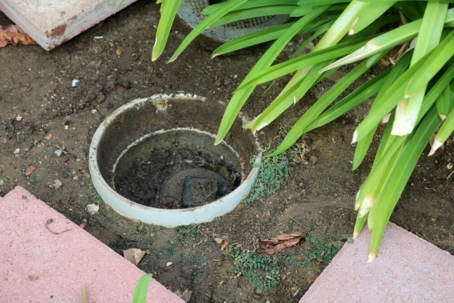
They’ll also locate your sewer cleanout, which is the access point that allows them to reach the main line.
Step 2: Camera Inspection
Before hydro jetting, your plumber will perform a sewer camera inspection. This is important because it answers two big questions:
- Is there a blockage? (roots, grease, collapsed pipe, etc.)
- Are the pipes in good enough condition to handle high-pressure jetting?
The camera also shows the exact location and severity of the buildup so the technician knows which nozzle and pressure setting to use.
Step 3: Preparing the Work Area
Because hydro jetting involves hoses and high-pressure equipment, your plumber sets up the area to make sure everything is safe and controlled:
- Rolling out hoses
- Positioning safety gear
- Protecting nearby surfaces if needed
- Ensuring the cleanout is accessible
- Preparing the jetter machine (truck-mounted or portable)
Step 4: Choosing the Right Water Pressure
Hydro jetting machines can produce water pressure up to 4,000 PSI, but that doesn’t mean your plumber uses full force.
They’ll adjust PSI depending on:
- Pipe age
- Pipe material
- Type of clog
- Severity of buildup
For example:
- Cast iron lines → moderate pressure
- Grease buildup → high pressure
- Root intrusion → specialized root-cutting nozzle
This ensures your pipes get cleaned thoroughly and safely.
Step 5: Inserting the Jetting Nozzle
Next, the technician inserts the jetter hose into the cleanout. The nozzle sprays both forward and backward:
- Forward jets break apart clogs
- Backward jets pull the hose deeper and flush debris out
Different nozzle types are used depending on the problem:
- Penetrating nozzles
- Grease-removal nozzles
- Root-cutting nozzles
- Spinning/rotary nozzles for scale and mineral deposits
Step 6: The Actual Jetting Process
Once everything is in place, the plumber turns on the jetter.
Here’s what you can expect:
- You might hear a loud humming sound from the jetting machine
- Water blasts through the sewer line at high pressure
- The nozzle scrapes all the buildup off the pipe walls
- Debris is flushed down into the city sewer line
A typical hydro jetting takes anywhere from 30 minutes to 1.5 hours, depending on:
- Severity of the clog
- Length of the sewer line
- Access issues
When done correctly, the inside of your sewer line will look almost brand new.
Step 7: Post-Jetting Camera Check
Once the line is cleared, the plumber sends the camera down again to confirm:
- All debris is gone
- The pipe is fully clean
- No cracks or structural issues remain
Is Hydro Jetting Safe for My Pipes?
Yes, as long as your pipes are in good structural condition. That’s why the initial camera inspection is essential.
Hydro jetting is safe for:
- ABS
- PVC
- Copper
- Cast iron
- Clay (if in good condition)
Hydro jetting is not recommended if your pipes are:
- Collapsed
- Severely cracked
- Extremely brittle
- Sagging or compromised
If damage is found, your plumber may recommend trenchless pipe lining instead.
How Long Does Hydro Jetting Last?
Most homeowners get several years of smooth, clog-free draining after a hydro jetting service.
Your results depend on:
- How old your pipes are
- How much grease or debris you send down drains
- Number of trees on your property
- Prior maintenance history
A good rule of thumb: Hydro jet every 1–2 years if you have heavy tree root intrusion or regularly recurring buildup.
What to Do After Your Sewer Line Is Hydro Jetted
Once the process is complete, you can help keep your sewer line clean by:
- Never pouring grease down the drain
- Avoiding “flushable” wipes (they aren’t actually flushable!)
- Running hot water weekly to keep lines flowing
- Installing a drain strainer
- Scheduling routine sewer inspections
Hydro jetting is powerful, but maintenance prevents future headaches.
When You Should Call a Professional
If you’re experiencing any of the following, it’s time to call a plumber. Waiting can allow roots or buildup to get worse.
- Recurring backups
- Multiple slow drains
- Sewer smells
- Gurgling noises
- Water seeping up through tub or shower drains
Why Choose Ford’s Plumbing & Heating?
Ford’s has been serving Los Angeles homeowners since 1963, and we’ve built our reputation on:
- Expert hydro jetting
- State-of-the-art sewer camera inspections
- Honest, upfront pricing
- Emergency service
- Trenchless sewer repair options
- Highly trained technicians
We clean your lines fully and safely, not just temporarily.
FAQ: Hydro Jetting Sewer Line
How do I know if I need hydro jetting for my sewer line?
Signs include recurring clogs, slow drains throughout your home, gurgling toilets, sewer smells, or backups in tubs and showers. A plumber can confirm with a sewer camera inspection.
Is hydro jetting safe for older pipes?
Yes, but only if the pipes are structurally sound. A camera inspection is always performed first to ensure the line can handle high-pressure water without risk of damage.
How long does a hydro jetting service take?
Most residential hydro jetting jobs take 30 to 90 minutes, depending on access, pipe length, and how severe the clog or buildup is.
Does hydro jetting remove tree roots?
Hydro jetting can remove small to medium root intrusions. For large or repeated root problems, the plumber may recommend trenchless pipe lining after clearing the line.
What’s the difference between hydro jetting and snaking?
Snaking breaks through clogs but doesn’t clean the pipe walls. Hydro jetting uses high-pressure water to remove grease, scale, roots, and buildup, restoring your sewer line almost like new.
Contact Ford’s Plumbing for Sewer Line Hydrojetting Service
Hydro jetting is one of the most effective ways to clear severe sewer line blockages. And knowing what to expect helps the process feel less intimidating. From the initial camera inspection to the final walkthrough, a professional hydro jetting service restores full flow and helps protect your plumbing from future problems.
And if you’re dealing with slow drains, recurring clogs, or sewer backups, Ford’s Plumbing & Heating is here to help.