
Nobody enjoys the smell of sewer gas wafting through their home. If you’ve experienced the noxious odor of a sewer smell emanating from your vent pipe, you’re not alone.
Below, we’ll look closely at what a sewer vent or roof vent is, how to recognize signs of a clogged sewer vent, and most importantly, how to safely and effectively eliminate that unpleasant sewer smell from your vent pipe.
What Is a Sewer Vent or Roof Vent?
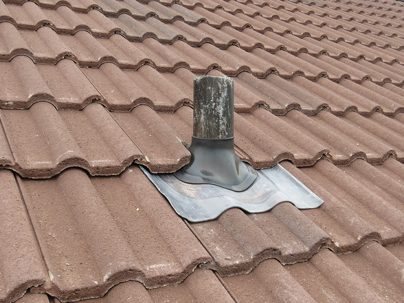
Sewer vents, also known as roof vents or plumbing vents, play a crucial role in your plumbing system. These vertical pipes protrude from your roof and serve two primary purposes:
Equalizing Air Pressure
When wastewater flows through your plumbing pipes, it can create negative pressure in the system. Sewer vents allow fresh air to enter the plumbing system, preventing this negative pressure from siphoning water from traps and creating a vacuum. This ensures that water can flow freely and prevents gurgling or slow drainage.
Releasing Sewer Gas
Another crucial function of sewer vents is to vent sewer gas out of your home. Sewer gas is a byproduct of decomposing organic matter in the sewer system, and it contains noxious and potentially harmful gases like hydrogen sulfide. The vent pipe allows these gases to escape safely into the atmosphere, preventing them from entering your living spaces.
Signs of a Clogged Sewer Vent
Can a clogged vent pipe cause sewer smell? Yes, a clogged sewer vent can disrupt the balance in your plumbing system, leading to a variety of issues, including the notorious sewer smell. Here are some common signs that may indicate a clogged vent pipe:
Foul Odor
The most obvious sign is a persistent and unpleasant sewer smell. This smell can be particularly potent near drains and fixtures, indicating that sewer gas is not venting properly.
Gurgling Drains
When you flush a toilet or run water down a sink, you may hear gurgling or bubbling sounds from other nearby drains. This is a sign of air pressure imbalances caused by a clogged vent.
Slow Drainage
A clogged vent can lead to slow drainage in sinks, bathtubs, and toilets. If water takes longer to drain than usual or appears to be draining sluggishly, it could be due to venting issues.
Toilet Bowl Water Levels
An improperly vented system can affect the water levels in your toilet bowl. If you notice the water level rising or dropping unexpectedly, it might be related to venting problems.
Increased Sewer Gas Odor in Cold Weather
Colder temperatures can exacerbate venting issues. If you notice a stronger sewer odor in your home during winter, it could be due to frozen or blocked vents.
Health and Safety Risks of Sewer Gas Exposure
Sewer odors aren’t just unpleasant—they can also be hazardous if ignored. Sewer gas often contains hydrogen sulfide (the “rotten egg” smell) and methane, both of which pose health and safety concerns.
- Short-term exposure can cause headaches, nausea, fatigue, or irritation of the eyes and throat.
- Prolonged exposure in enclosed spaces can lead to more serious symptoms, including dizziness and respiratory distress.
- Methane, which is also present in sewer gas, is flammable and can pose a fire hazard in extreme cases.
If you notice sewer odors that don’t go away, open windows for ventilation, avoid open flames, and call a professional plumber immediately to locate and fix the issue safely.
How Weather and Climate Affect Sewer Vent Smells
In Los Angeles, weather can play a surprising role in how sewer smells behave.
- Hot, dry weather: Long heat waves can cause water in unused drain traps to evaporate. When traps dry out, they lose the water barrier that keeps sewer gases from seeping into your home.
- Cool, humid conditions: In the rare cool months, condensation can freeze or partially block roof vent openings, especially in coastal or shaded areas.
- Windy days: Wind can create pressure differences that force sewer gases back down the vent pipe instead of letting them escape upward.
Simple Prevention Tip:
Once a month, pour a small amount of water down infrequently used drains (like a guest bathroom shower). This refills the trap and helps prevent gases from sneaking in.
How Can You Unclog the Vent Safely?
There are a number of ways you can safely unclog the vent and eliminate the bad smell from the sewer vent pipe.
- Visual Inspection: Start by visually inspecting the vent pipe on your roof. Look for any visible obstructions, such as debris, leaves, or nests from birds or rodents. Ensure that the vent cap is intact and not obstructed.
- Use a Vent Snake or Auger: If you suspect a blockage within the vent pipe, consider using a vent snake or auger. These tools can help dislodge obstructions and clear the vent. Insert the snake carefully into the vent and rotate it while applying gentle pressure.
- Flushing with Water: Another method involves flushing the vent pipe with water. You can do this by carefully pouring a bucket of water down the vent stack. This can help push any debris or blockages down the pipe and clear the vent.
- Professional Assistance: If your attempts to clear the vent pipe are unsuccessful or if you’re uncomfortable working at heights, it’s advisable to seek professional plumbing assistance. Plumbers have specialized equipment and the expertise to safely and effectively address venting issues.
- Preventative Measures: To avoid future clogs and sewer smells from vent pipes, consider installing a vent cap or screen. These devices can help keep debris, leaves, and critters out of the vent stack. Regular maintenance of your roof and gutters can also prevent debris from accumulating around the vent.
- Check for Other Plumbing Issues: Sometimes, sewer smells can be a symptom of more significant plumbing problems, such as a damaged or blocked sewer line. If the issue persists after addressing the vent pipe, it’s essential to have your plumbing system thoroughly inspected by a professional plumber.
FAQs: Stop Sewer Smell from a Vent Pipe
Can a clogged vent pipe cause a sewer smell?
Yes. A clogged vent pipe prevents air from flowing properly through your plumbing system. This creates negative pressure that forces sewer gases through drains and into your home.
Is sewer gas dangerous to breathe?
Sewer gas contains methane and hydrogen sulfide, which can be hazardous. Prolonged exposure can cause headaches, nausea, and dizziness. Always ventilate your space and contact a professional plumber right away.
How do I find the source of a sewer smell in my house?
Start by checking areas near drains, toilets, and sinks. If the smell is stronger near vents or the roof, the issue may stem from a clogged vent pipe. A plumber can perform a smoke or camera test to locate the source.
How can I prevent my vent pipe from clogging?
Install a vent cap or screen to keep debris and critters out. Keep your roof gutters clean and check your vents after heavy winds or storms. Regular plumbing maintenance helps prevent future blockages.
Why does my bathroom smell worse when it’s hot or windy?
Heat can dry out drain traps, allowing sewer gases to escape. Wind can also force air pressure changes that push gases back down your vent pipe. Pour water into unused drains monthly to refill traps.
Can I unclog a sewer vent myself?
Minor obstructions can sometimes be cleared with a hose or plumber’s snake. However, roof access can be dangerous, so it’s best to call a professional if the blockage is severe or recurring.
Unclog Your Vent Pipe in Los Angeles
Dealing with a sewer smell emanating from your vent pipe can be a frustrating and unpleasant experience, but it’s a common plumbing issue that can be resolved relatively easily.
If you’re unsure or uncomfortable with the task, you can always enlist the help of a qualified plumber, like Ford’s Plumbing and Heating in Culver City.